

This survey aims to collect information on the status of human resource development related to the mining sector in Madagascar. It also seeks to gather and organize information on the human resource needs required for development in the mining sector, conducting an investigation and analysis of the human resource development gap in mining development. Furthermore, based on the information obtained from these surveys, the survey team proposes initiatives to address this gap and considers potential JICA support measures.
Activity
Data Collection Survey on Human Resource Development for Mining Sector in Madagascar
Period : 2024/6 - 2026/2
Client : Japan International Cooperation Agency (JICA)
Background of the Survey
The Republic of Madagascar is endowed with abundant mineral resources, producing nickel, chromium, cobalt, and ilmenite. Particularly for nickel, Japanese companies operate large-scale smelting operations, making Madagascar a major import source for Japan, accounting for 16% of Japan’s total nickel imports. The Malagasy government maintains a policy of actively promoting mineral development and is advancing initiatives toward this goal. However, mining development requires a stable supply of workers possessing the necessary skills not only in mining-specific fields like geology and drilling, but also across a wide range of disciplines including machinery, electronics, piping, and welding. On the other hand, the skill level and number of personnel required for mining development are insufficient, forming a barrier to the operational management of mining development projects. Given this situation, it is necessary to establish a human resource development system that meets the needs of the mining industry.
Purpose of the Survey
Survey Overview
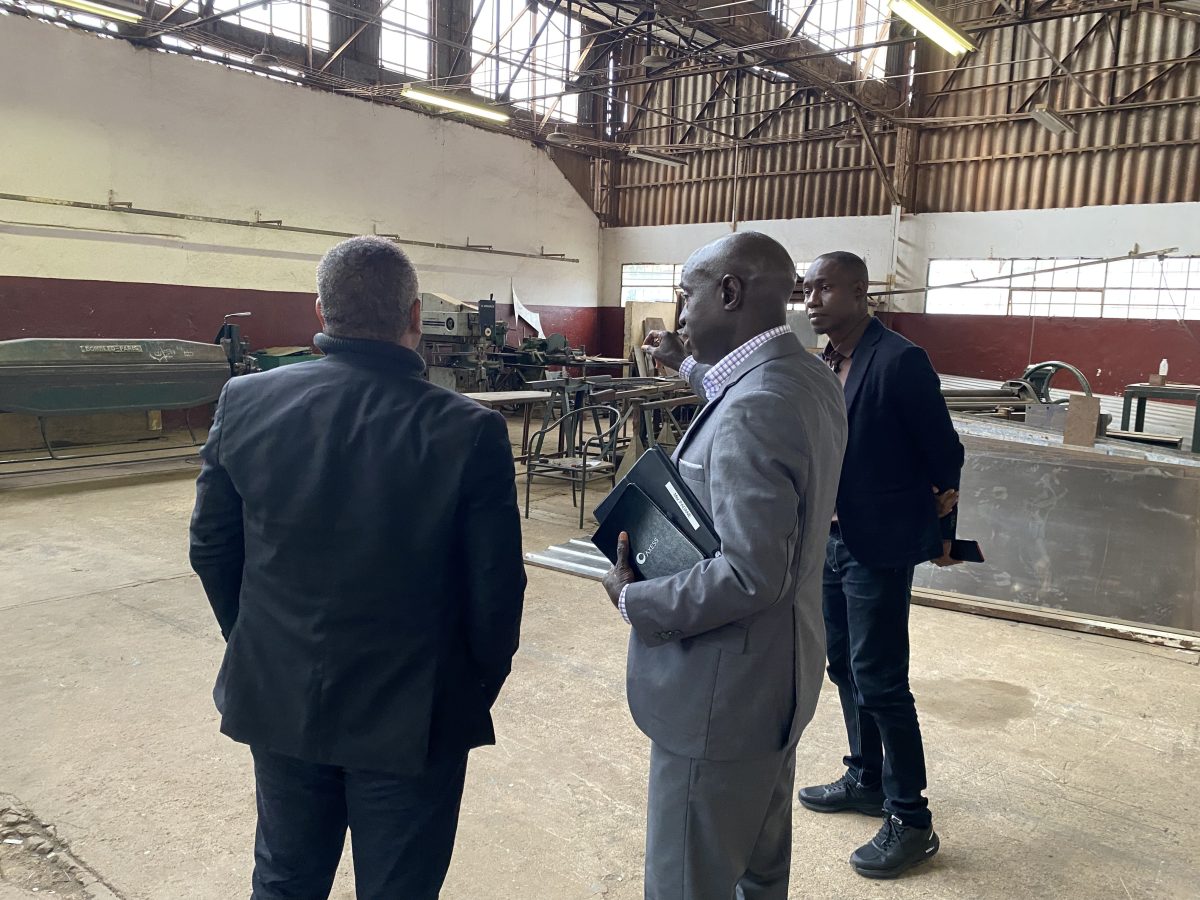
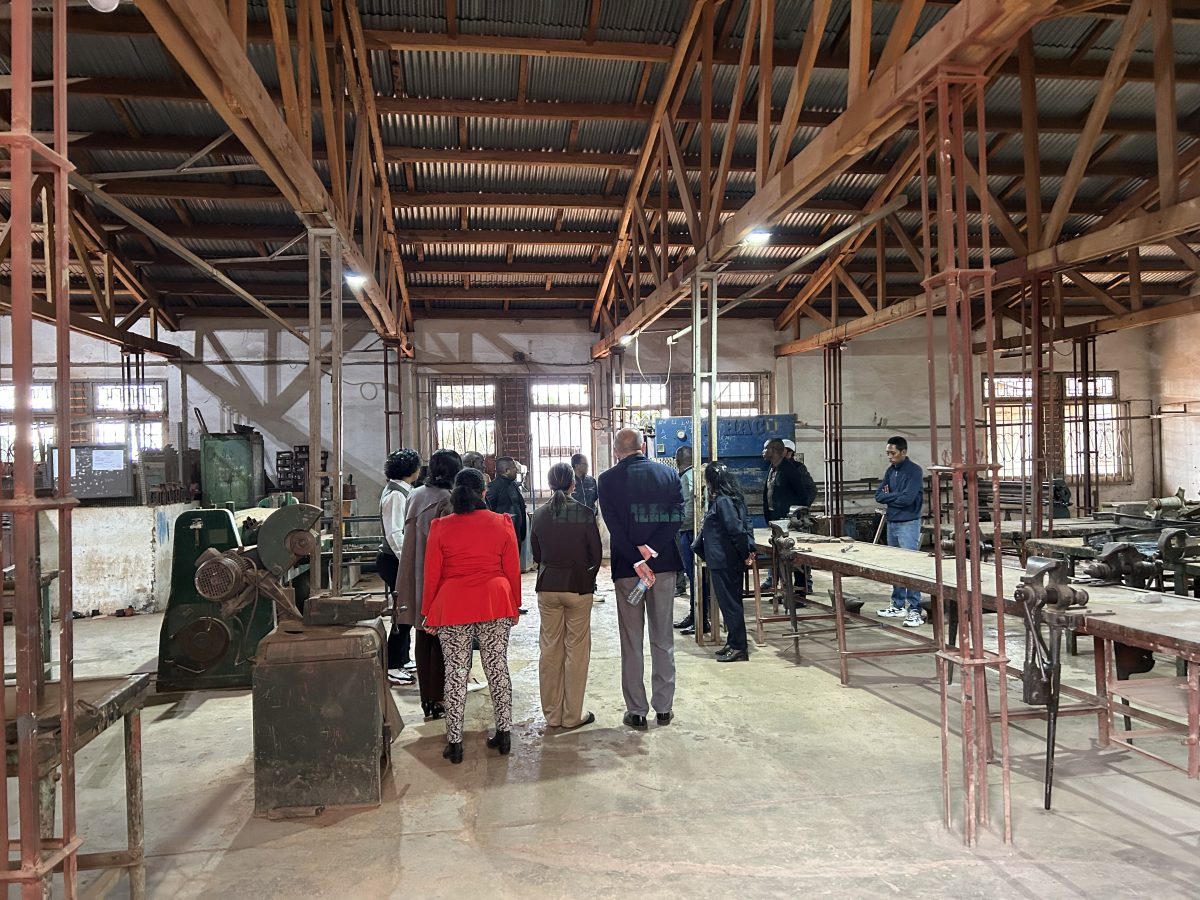
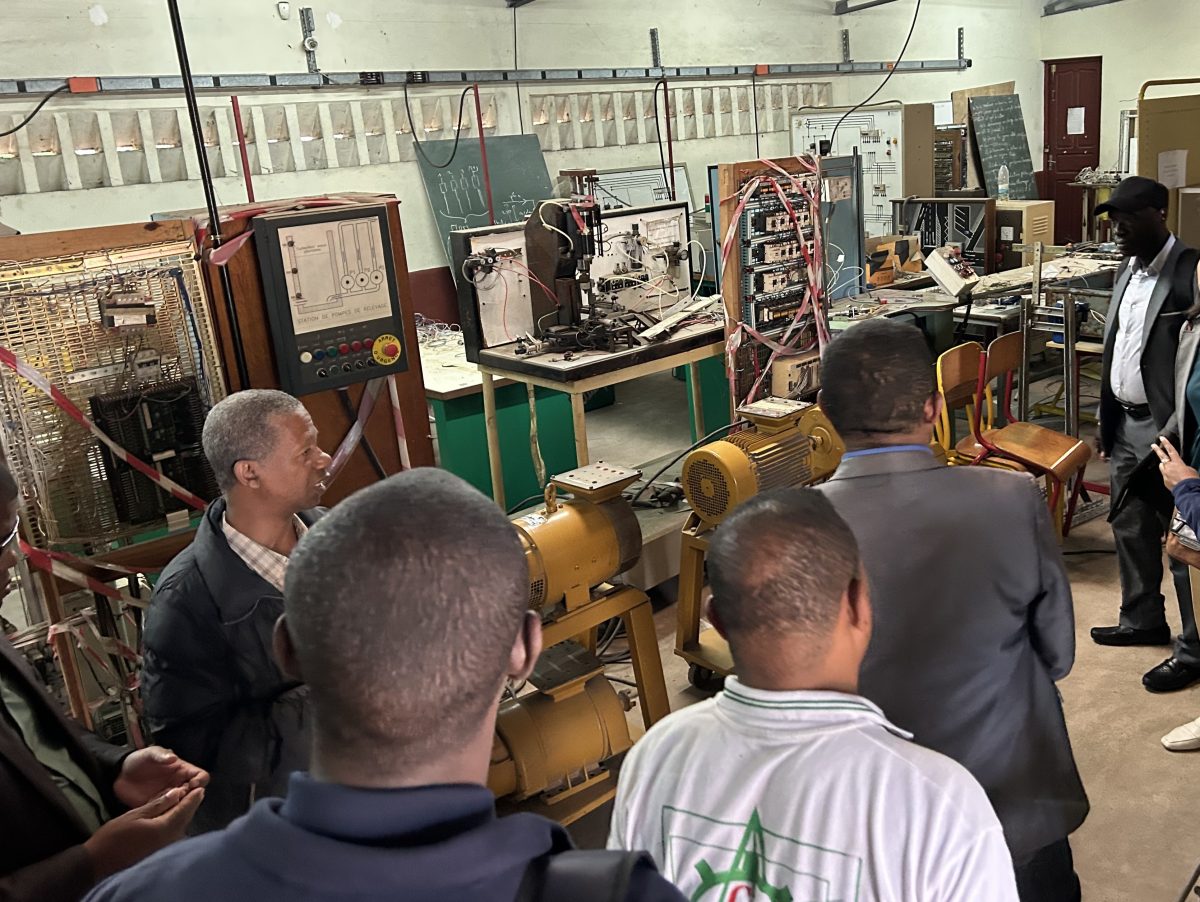
We conducted a survey on the current state of human resource development and personnel needs in Madagascar’s mining sector. Based on these results, we analyzed the gaps in human resource development within the mining sector from both qualitative and quantitative perspectives.
Furthermore, to enable Malagasy stakeholders to observe examples from other countries and understand their own situation regarding the necessary systems, curricula, and facilities for educational institutions, we conducted site visits to industrial high schools and vocational training institutions in Senegal and South Africa. Subsequently, experts in industrial human resource development from South Africa and Senegal were invited to Madagascar to identify challenges in the country’s industrial human resource systems.
Based on the results of these activities, short-, medium-, and long-term challenges in human resource development for Madagascar’s mining sector were identified. After prioritizing the challenges requiring resolution, we proposed necessary measures.